

A Minimally Invasive Alternative to Thyroid Surgery
Reduce Enlarged Thyroid Nodules Without Surgery
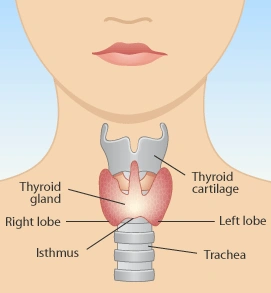
Multinodular goitre is a condition in which multiple nodules develop within the thyroid gland, causing enlargement of the thyroid and potentially leading to symptoms such as neck swelling, difficulty swallowing, breathing discomfort, and cosmetic concerns.
Thyroid Artery Embolization (TAE) is an innovative, image-guided, minimally invasive procedure that reduces the size of the thyroid gland and nodules by blocking their blood supply. This treatment offers an effective alternative for patients who wish to avoid surgery or are not suitable candidates for thyroidectomy.
What Is Multinodular Goitre?
A multinodular goitre occurs when the thyroid gland enlarges and develops multiple nodules. While many thyroid nodules are benign, they can continue to grow over time and cause pressure-related symptoms.
Common Symptoms of Multinodular Goitre
- Visible swelling in the neck
- Difficulty swallowing (Dysphagia)
- Breathing discomfort
- Sensation of pressure in the throat
- Hoarseness of voice
- Chronic cough
- Cosmetic concerns due to neck enlargement
- Hyperthyroidism in some patients
Many patients experience progressive symptoms as the goitre increases in size.
What Is Thyroid Artery Embolization?
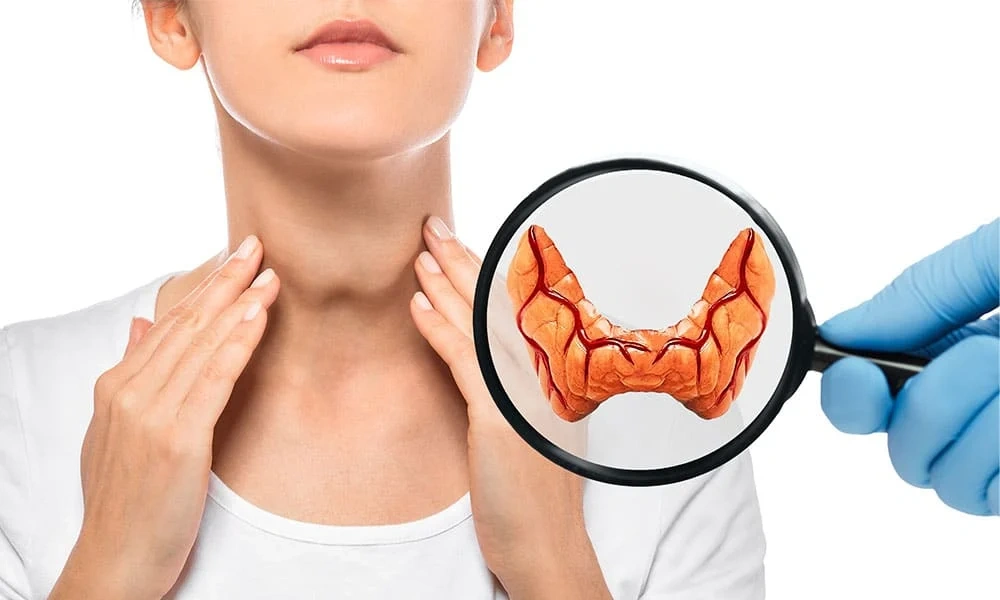
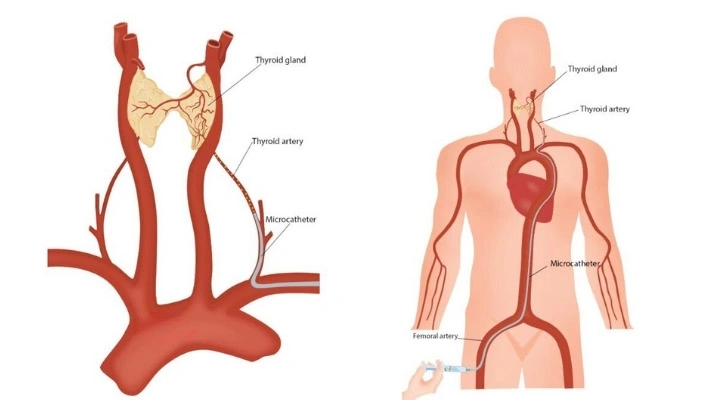
Thyroid Artery Embolization is a minimally invasive procedure performed by an interventional radiologist. During the procedure, tiny particles are injected into selected thyroid arteries to reduce blood flow to the enlarged thyroid tissue and nodules.
Over time, the treated nodules shrink, relieving symptoms and reducing thyroid gland volume without the need for open surgery.
How Does Thyroid Artery Embolization Work?
The thyroid gland depends on a rich blood supply for growth and function. By selectively blocking the arteries feeding the enlarged nodules, the treatment causes:
- Reduced blood flow to abnormal thyroid tissue
- Gradual shrinkage of nodules
- Reduction in thyroid gland size
- Relief from pressure symptoms
- Improvement in cosmetic appearance
Healthy surrounding tissues are preserved while targeting the problematic nodules.
How the Procedure Is Performed
Step 1: Pre-Procedure Evaluation
The specialist reviews:
- Thyroid Ultrasound
- CT Scan (if required)
- Thyroid Function Tests
- Fine Needle Aspiration (when indicated)
Step 2: Vascular Access
A tiny catheter is inserted through an artery in the wrist or groin.
Step 3: Catheter Navigation
Using real-time imaging guidance, the catheter is advanced to the thyroid arteries supplying the enlarged nodules.
Step 4: Embolization
Microscopic embolic particles are carefully delivered to block blood flow to the targeted thyroid tissue.
Step 5: Recovery
The catheter is removed, and patients are monitored before being discharged.Most patients return home within 24 hours.
Benefits of Thyroid Artery Embolization
Minimally Invasive
No neck incision or surgical scar.
Preserves Thyroid Function
Helps maintain healthy thyroid tissue whenever possible.
Avoids Major Surgery
An excellent option for patients who are poor surgical candidates.
Faster Recovery
Most patients resume normal activities within a few days.
Reduced Risk of Surgical Complications
Avoids risks associated with open thyroid surgery.
Effective Volume Reduction
Significant reduction in thyroid gland and nodule size over time.
Improved Quality of Life
Relieves pressure symptoms and improves cosmetic appearance.
Who Is a Candidate for Thyroid Artery Embolization?
- Large multinodular goitre
- Symptomatic thyroid enlargement
- Benign thyroid nodules
- Difficulty swallowing due to thyroid compression
- Breathing discomfort caused by thyroid enlargement
- High surgical risk
- Preference for a minimally invasive treatment option
Expected Results
✔ Reduction in neck swelling
✔ Improved swallowing
✔ Easier breathing
✔ Relief from pressure symptoms
✔ Better cosmetic appearance
✔ Improved overall comfort and quality of life
Conditions Treated
- Multinodular Goitre
- Large Benign Thyroid Nodules
- Compressive Thyroid Enlargement
- Selected Hyperfunctioning Thyroid Nodules
Recovery After Treatment
- Mild neck discomfort
- Temporary swelling
- Low-grade fever
- Mild fatigue
Why Choose Our Interventional Radiology Team?
Highly trained physicians experienced in advanced vascular and non-vascular interventions.
Advanced angiography systems ensure precision and safety.
Every patient receives an individualized treatment approach.
Collaboration with endocrinologists, surgeons, and imaging specialists.
Focused on achieving excellent outcomes with faster recovery and less discomfort.
Frequently Asked Questions
The procedure is performed under local anesthesia and sedation. Most patients experience only mild discomfort.
Many patients achieve significant symptom relief without surgery, although treatment decisions vary based on individual circumstances.
The procedure typically takes 1–2 hours.
Most patients stay for observation and are discharged within 24 hours.
The goal is to reduce abnormal thyroid tissue while preserving normal thyroid function. Thyroid hormone levels are monitored after treatment.