

Save Your Foot with Advanced Minimally Invasive Treatment
Restore Blood Flow. Heal Wounds. Prevent Amputation.
Diabetes can damage blood vessels over time, reducing blood supply to the feet and legs. Poor circulation can lead to non-healing ulcers, severe infections, gangrene, and, in advanced cases, amputation.
Diabetic Foot Angioplasty is a minimally invasive, image-guided procedure designed to restore blood flow to the affected foot by opening blocked or narrowed arteries. By improving circulation, angioplasty promotes wound healing, relieves pain, and significantly reduces the risk of limb loss.
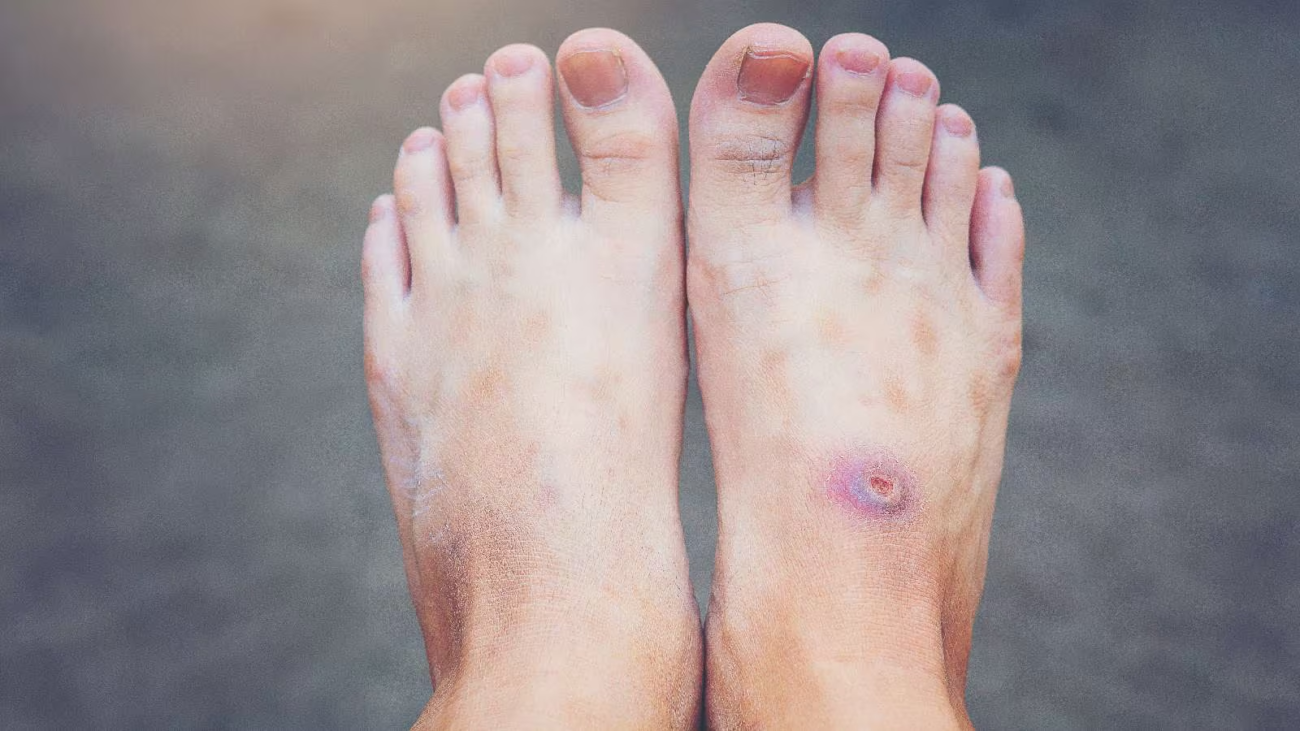
What Is a Diabetic Foot?
A diabetic foot develops when diabetes causes damage to nerves and blood vessels in the lower limbs. Reduced blood flow and loss of sensation make even minor injuries difficult to heal, increasing the risk of ulcers and infections.
Without timely treatment, diabetic foot complications can become serious and may lead to amputation.

Common Symptoms of Poor Blood Flow in Diabetic Feet
- Non-healing foot ulcers
- Foot wounds that heal slowly
- Persistent foot pain
- Pain while walking
- Rest pain in the feet or toes
- Skin discoloration
- Recurrent foot infections
What Is Diabetic Foot Angioplasty?
Diabetic Foot Angioplasty is a minimally invasive procedure used to open blocked arteries in the legs and feet.
Using advanced imaging guidance, a thin catheter is inserted through a small puncture in the artery. A tiny balloon is then used to widen the narrowed or blocked blood vessel, restoring blood flow to the affected foot.
In some cases, a stent may be placed to help keep the artery open.

Why Is Blood Flow Important for Wound Healing?
Healthy blood circulation delivers:
- Oxygen
- Nutrients
- Immune cells
- Healing factors
When blood flow is reduced, wounds struggle to heal and infections become more difficult to control.Restoring circulation is often the most important step in saving the foot and preventing amputation.
How Is Diabetic Foot Angioplasty Performed?
Step 1: Vascular Assessment
The specialist evaluates blood circulation using : Doppler Ultrasound, CT Angiography, MR Angiography, Peripheral Angiography
Step 2: Local Anesthesia
The procedure is usually performed under local anesthesia.
Step 3: Catheter Insertion
A small catheter is inserted through an artery in the groin, wrist, or leg.
Step 4: Angiography
Contrast dye is injected to identify blocked or narrowed arteries.
Step 5: Balloon Angioplasty
A tiny balloon is inflated inside the blockage to reopen the artery.
Step 6: Stent Placement (If Required)
A vascular stent may be placed to maintain blood flow and prevent re-narrowing.
Step 7: Recovery
The catheter is removed, and the patient is monitored before discharge.Most patients can return home within 24 hours.
Benefits of Diabetic Foot Angioplasty
Limb Salvage
Helps avoid major amputations by restoring circulation.
Faster Wound Healing
Improved blood flow promotes healing of diabetic foot ulcers.
Minimally Invasive
No large surgical incisions are required.
Reduced Pain
Relieves rest pain and improves walking ability.
Short Hospital Stay
Most patients are discharged within a day.
Improved Quality of Life
Allows patients to remain active and independent.
Safe and Effective
Performed using advanced imaging guidance with high success rates.
Who Is a Candidate for Diabetic Foot Angioplasty?
- Diabetic foot ulcers
- Poor circulation in the legs or feet
- Peripheral Artery Disease (PAD)
- Critical Limb Ischemia
- Gangrene of the toes or foot
- Non-healing wounds
- Foot pain at rest
- Previous failed wound healing treatments
Expected Results
✔ Improved blood circulation
✔ Faster ulcer healing
✔ Reduction in foot pain
✔ Better walking ability
✔ Improved tissue oxygenation
✔ Reduced risk of amputation
✔ Enhanced quality of life
Conditions Treated
- Diabetic Foot Ulcers
- Peripheral Artery Disease (PAD)
- Critical Limb Ischemia
- Foot Gangrene
- Lower Limb Arterial Blockages
Recovery After Angioplasty
- Walk as advised by their physician
- Continue diabetic foot care
- Maintain blood sugar control
- Attend regular wound care follow-ups
- Take prescribed medications
Why Choose Our Interventional Radiology & Vascular Team?
Extensive experience in treating diabetic foot disease and peripheral arterial blockages.
High-precision angiography systems for accurate diagnosis and treatment.
Focused on preserving limbs and preventing amputations whenever possible.
Collaboration with diabetologists, wound care specialists, podiatrists, and vascular experts.
Every patient receives customized care based on their vascular condition.
Frequently Asked Questions
The procedure is performed under local anesthesia and is generally associated with minimal discomfort.
Most angioplasty procedures take between 1–3 hours depending on the complexity of the blockage.
Many patients can avoid open vascular surgery through minimally invasive angioplasty.
Healing depends on the severity of the wound, infection status, blood sugar control, and restored circulation.
In many cases, restoring blood flow significantly reduces the risk of amputation and helps save the affected limb.