

Advanced Life-Saving Treatment for Ischemic Stroke
Rapid Clot Removal to Restore Blood Flow to the Brain
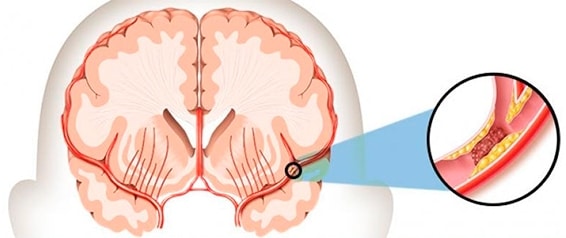
A stroke is a medical emergency that occurs when blood flow to a part of the brain is interrupted. In an ischemic stroke, the most common type of stroke, a blood clot blocks an artery supplying the brain. Without immediate treatment, brain cells begin to die within minutes, leading to permanent disability or even death.
Mechanical Thrombectomy is an advanced, minimally invasive procedure that physically removes the clot from the blocked brain artery, restoring blood flow and significantly improving the chances of recovery. For eligible patients, it has become one of the most effective treatments for acute ischemic stroke.
What Is an Acute Ischemic Stroke?
An ischemic stroke occurs when a blood clot blocks an artery that supplies oxygen-rich blood to the brain. When blood flow is interrupted, brain tissue is deprived of oxygen and nutrients, causing rapid damage to brain cells.
Other symptoms may include:
- Sudden vision loss
- Severe dizziness
- Loss of balance
- Difficulty walking
- Sudden severe headache
- Loss of consciousness
Common Warning Signs of Stroke
Remember the acronym FAST:
F – Face Drooping
One side of the face may appear uneven or droop.
A – Arm Weakness
Sudden weakness or numbness in one arm or leg.
S – Speech Difficulty
Slurred speech or difficulty understanding words.
T – Time to Act
Immediate medical attention is critical.
What Is Mechanical Thrombectomy?
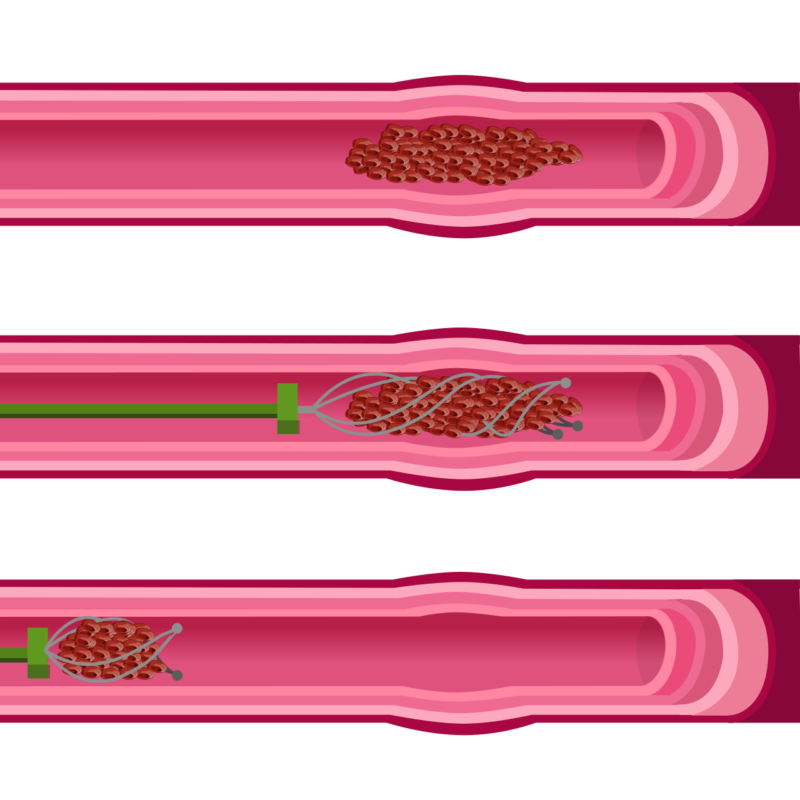
Mechanical Thrombectomy is a minimally invasive neuro interventional procedure used to remove a blood clot from a blocked artery in the brain.
Using advanced imaging guidance, a specialist inserts a catheter through an artery in the wrist or groin and navigates it to the blocked vessel in the brain. Specialized devices are then used to capture and remove the clot, restoring blood flow.
This procedure can dramatically reduce brain damage and improve recovery outcomes when performed quickly.
Why Time Matters in Stroke Treatment
Every minute during a stroke, millions of brain cells can be lost.
Early treatment helps:
- Restore blood flow
- Preserve brain function
- Reduce disability
- Improve survival
- Enhance recovery
This is why stroke specialists often say:
“Time is Brain.”
Mechanical thrombectomy is most effective when performed as early as possible after symptom onset, although selected patients may benefit even several hours later based on advanced imaging evaluation.
How Is Mechanical Thrombectomy Performed?
Step 1: Emergency Stroke Assessment
The patient undergoes: CT Brain Scan, CT Angiography, MRI (when required), Neurological Evaluation
Step 2: Vascular Access
A small catheter is inserted through an artery in the wrist or groin.
Step 3: Catheter Navigation
Using real-time imaging guidance, the catheter is advanced through the blood vessels to the blocked artery in the brain.
Step 4: Clot Removal
Specialized thrombectomy devices such as: Stent Retrievers, Aspiration Catheters are used to remove the clot and reopen the artery.
Step 5: Blood Flow Restoration
Once the clot is removed, blood flow is restored to the affected area of the brain.
Step 6: Post-Procedure Monitoring
Patients are closely monitored in a dedicated stroke or intensive care unit.
Benefits of Mechanical Thrombectomy
Rapid Clot Removal
Directly removes the blockage causing the stroke.
Improved Recovery
Significantly increases the chances of regaining independence.
Reduced Brain Damage
Restores blood supply before irreversible injury occurs.
Minimally Invasive
No open brain surgery is required.
Lower Disability Rates
Many patients experience better functional outcomes.
Life-Saving Treatment
Can dramatically improve survival in severe strokes.
Who Is a Candidate for Mechanical Thrombectomy?
- Acute ischemic stroke
- Large vessel occlusion (LVO)
- Severe neurological deficits
- Stroke symptoms within the treatment window
- Favorable brain imaging findings
Expected Outcomes
✔ Restoration of blood flow to the brain
✔ Improved neurological recovery
✔ Reduced disability
✔ Increased independence
✔ Improved survival rates
Conditions Treated
- Acute Ischemic Stroke
- Large Vessel Occlusion (LVO)
- Cerebral Artery Blockages
- Emergency Neurovascular Conditions
Recovery After Mechanical Thrombectomy
- How quickly treatment was received
- The size of the stroke
- The location of the blockage
- Overall patient health
Why Choose Our Neuro Interventional Stroke Team?
Rapid assessment and treatment when every minute counts.
Highly trained physicians experienced in advanced stroke interventions.
Advanced neuroimaging for rapid diagnosis and treatment planning.
Integrated care from emergency treatment through rehabilitation.
Advanced thrombectomy devices and evidence-based stroke care.
Frequently Asked Questions
No. It is a minimally invasive catheter-based procedure performed through a small puncture in an artery.
Most thrombectomy procedures take approximately 30 minutes to 2 hours depending on the complexity of the blockage.
Many patients experience significant improvement when blood flow is restored quickly, although outcomes vary based on the extent of brain injury.
In eligible patients with large vessel blockages, thrombectomy is often more effective and may be combined with clot-busting medication when appropriate.
Yes. Any signs of stroke require immediate medical attention. Early treatment greatly improves the chances of recovery.