

Advanced Minimally Invasive Treatment for Liver Tumors
Destroy Liver Tumors Without Major Surgery
Liver cancer is one of the most common cancers worldwide and can significantly impact a patient’s health if left untreated. For patients who are not suitable candidates for surgery or wish to explore minimally invasive treatment options, Liver Cancer Ablation offers an effective and targeted solution.
Liver Cancer Ablation is an image-guided procedure that destroys cancerous tissue using heat or other energy sources, without removing part of the liver. This advanced treatment helps control tumors, preserve healthy liver tissue, and provide faster recovery compared to traditional surgery.
What Is Liver Cancer?
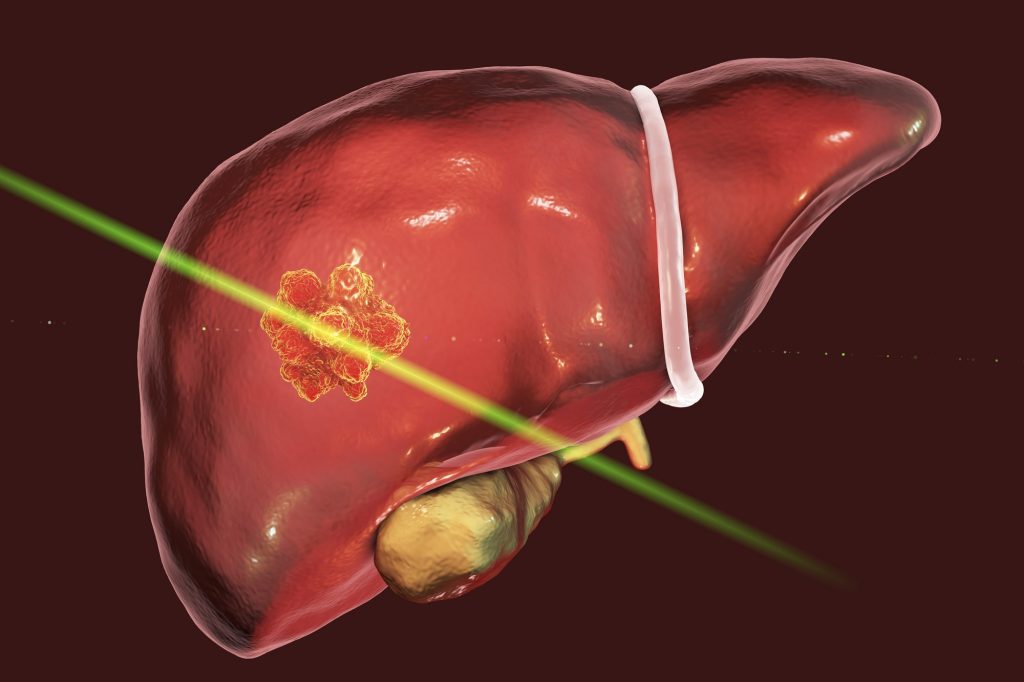
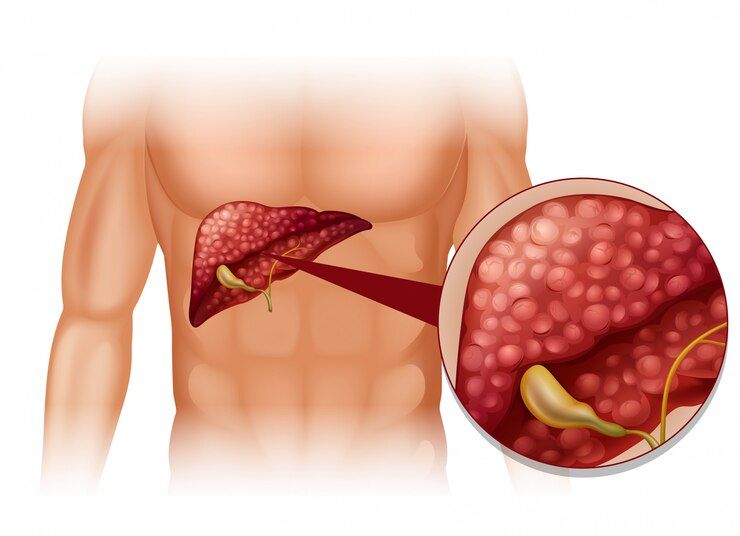
Liver cancer occurs when abnormal cells grow uncontrollably within the liver. The most common type is Hepatocellular Carcinoma (HCC), although cancer can also spread to the liver from other organs (liver metastases).
Common Symptoms of Liver Cancer
- Abdominal pain or discomfort
- Unexplained weight loss
- Loss of appetite
- Fatigue and weakness
- Abdominal swelling
- Nausea
- Jaundice (yellowing of skin and eyes)
- Enlarged liver
- Persistent feeling of fullness
What Is Liver Cancer Ablation?
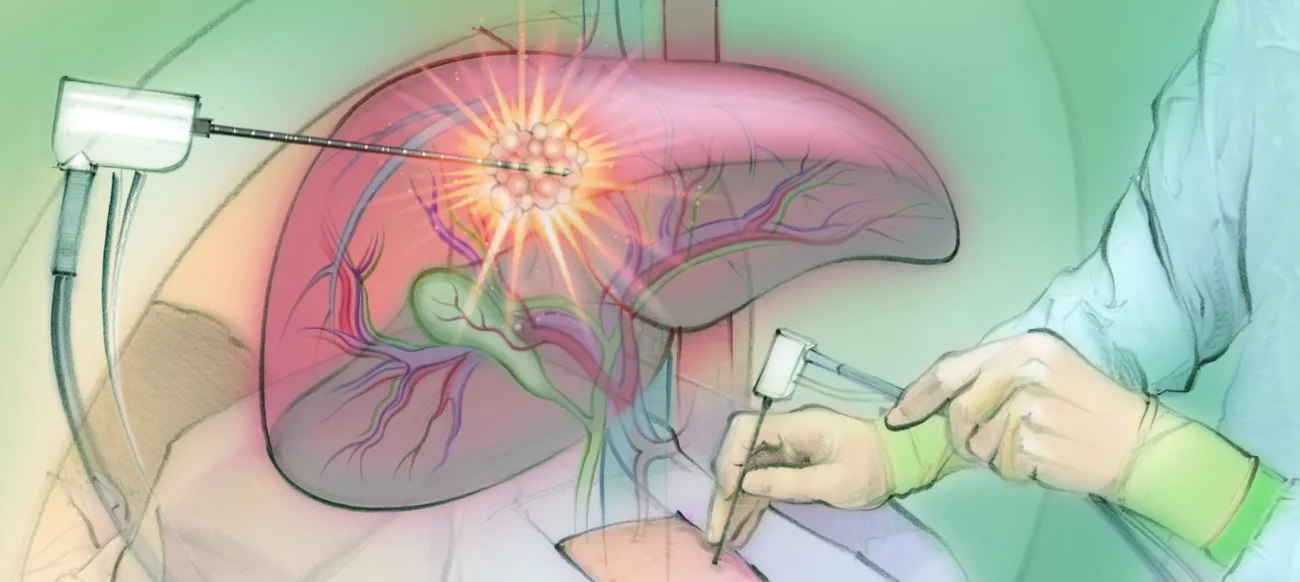
Liver Cancer Ablation is a minimally invasive procedure that destroys tumors by delivering thermal energy directly into cancerous tissue.
A specialized needle-like probe is inserted through the skin and guided precisely into the tumor using ultrasound or CT imaging. The tumor is then destroyed using heat generated by radiofrequency or microwave energy.
The body gradually absorbs the treated tissue over time.
Types of Liver Tumor Ablation
Radiofrequency Ablation (RFA)
RFA uses high-frequency electrical energy to generate heat and destroy cancer cells.
Ideal For:
- Small liver tumors
- Early-stage liver cancer
- Selected metastatic lesions
Microwave Ablation (MWA)
Microwave energy creates intense heat that rapidly destroys tumor tissue.
Advantages:
- Faster treatment
- Larger treatment zones
- Effective for difficult-to-treat tumors
Combination Therapy
In some patients, ablation may be combined with embolization or other cancer treatments to improve outcomes.
How Is Liver Cancer Ablation Performed?
Step 1: Pre-Treatment Evaluation
The specialist reviews: CT Scan, MRI Scan, PET Scan (when required), Liver Function Tests, Tumor markers
Step 2: Anesthesia
The procedure is usually performed under conscious sedation or general anesthesia.
Step 3: Image-Guided Probe Placement
Using ultrasound or CT guidance, the ablation probe is inserted directly into the liver tumor.
Step 4: Tumor Destruction
Thermal energy is delivered through the probe, destroying the cancer cells while preserving surrounding healthy liver tissue.
Step 5: Post-Procedure Monitoring
The probe is removed, and patients are monitored before discharge. Most patients stay in the hospital for a short period and recover quickly.
Benefits of Liver Cancer Ablation
Minimally Invasive
No major surgical incision is required.
Preserves Healthy Liver Tissue
Only the tumor and a small surrounding margin are treated.
Faster Recovery
Most patients recover much faster compared to liver surgery.
Effective Tumor Control
Provides excellent local tumor destruction for appropriately selected patients.
Repeatable Treatment
Can be repeated if new tumors develop.
Reduced Hospital Stay
Many patients are discharged within 24–48 hours.
Suitable for Non-Surgical Candidates
A valuable option for patients who cannot undergo surgery.
Who Is a Candidate for Liver Cancer Ablation?
- Early-stage liver cancer (HCC)
- Small liver tumors
- Limited liver metastases
- Liver tumors unsuitable for surgery
- Recurrence after previous treatment
- Reduced liver reserve where surgery may be risky
Conditions Treated
- Hepatocellular Carcinoma (HCC)
- Liver Metastases
- Recurrent Liver Tumors
- Small Primary Liver Cancers
- Selected Secondary Liver Cancers
Recovery After Ablation
- Mild abdominal discomfort
- Temporary fatigue
- Low-grade fever
- Mild soreness at the treatment site
Why Choose Our Interventional Oncology Team?
Expert interventional radiologists specializing in advanced tumor ablation therapies.
Precision CT and ultrasound guidance for accurate tumor targeting.
Collaboration between oncologists, hepatologists, surgeons, and radiologists.
Every treatment plan is customized based on tumor size, location, and patient health.
Access to the latest ablation technologies and image-guided cancer treatments.
Frequently Asked Questions
The procedure is performed under anesthesia or sedation, and most patients experience minimal discomfort.
Most ablation procedures take between 30 minutes and 2 hours depending on the tumor size and number of lesions.
For selected early-stage liver cancers, ablation can provide excellent local tumor control and may be considered a curative treatment option.
Most patients resume routine activities within a few days after treatment.
Regular follow-up imaging is essential, as new tumors may develop over time. Additional treatments can often be performed if necessary.