

Advanced Non-Surgical Treatment for Chronic Heel Pain
Long-Lasting Relief from Plantar Fasciitis Without Surgery
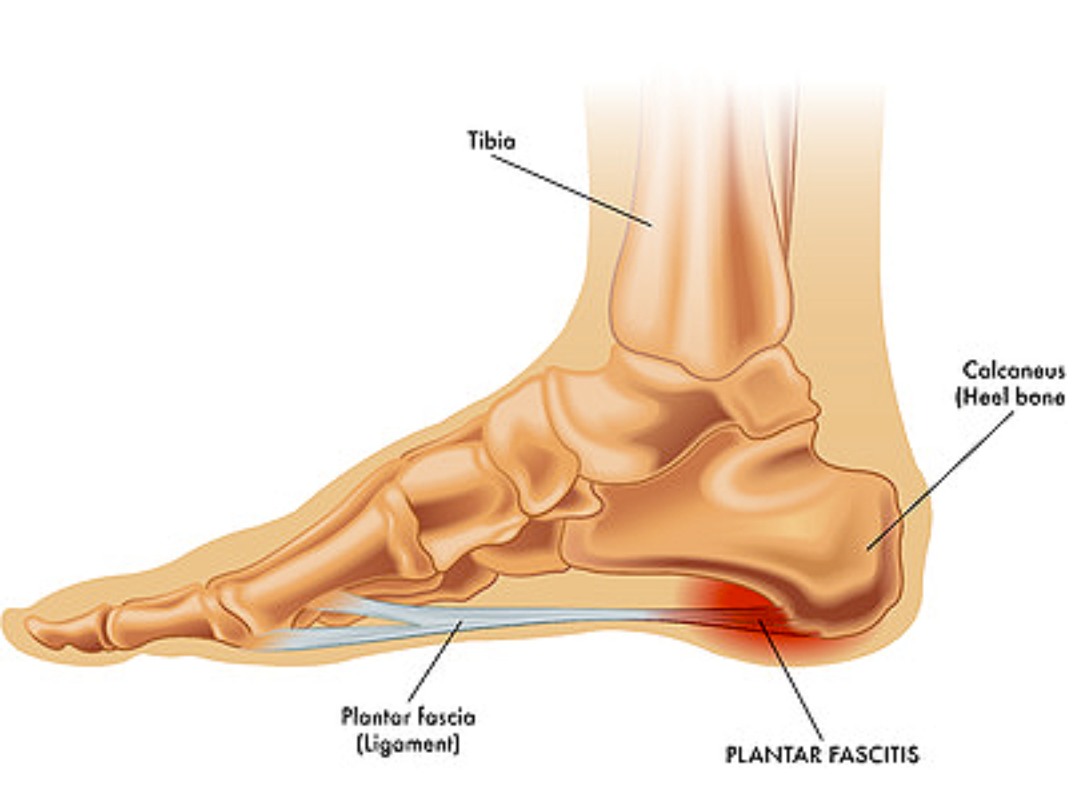
Plantar fasciitis is one of the most common causes of chronic heel pain, affecting people of all ages, especially runners, athletes, individuals who stand for long periods, and those with excess body weight. The condition occurs when the plantar fascia—a thick band of tissue connecting the heel bone to the toes—becomes inflamed and painful.
While many patients improve with rest, physiotherapy, medications, and orthotics, some continue to experience persistent heel pain despite months of treatment.
Plantar Fasciitis Embolization is an innovative, minimally invasive procedure that targets the abnormal blood vessels responsible for chronic inflammation and pain, providing lasting relief without surgery.
Long-Lasting Relief from Plantar Fasciitis Without Surgery
The plantar fascia supports the arch of the foot and absorbs stress during walking and running.Repeated strain can cause microscopic tears and chronic inflammation, leading to persistent heel pain and reduced mobility.
Common Symptoms of Plantar Fasciitis
- Sharp pain in the heel
- Pain during the first steps in the morning
- Heel pain after prolonged standing
- Pain after exercise
- Tenderness on the bottom of the heel
- Stiffness in the foot
- Difficulty walking long distances
- Chronic heel discomfort affecting daily activities
Why Does Chronic Plantar Fasciitis Occur?
In long-standing cases, the body may develop abnormal small blood vessels (neovascularization) around the inflamed plantar fascia.
These abnormal vessels are often accompanied by pain-sensitive nerve fibers that contribute to persistent symptoms.
Plantar Fasciitis Embolization specifically targets these abnormal vessels to reduce inflammation and pain.
What Is Plantar Fasciitis Embolization?
Plantar Fasciitis Embolization is a minimally invasive image-guided procedure performed by an Interventional Radiologist.
Using a tiny catheter, the specialist accesses the small arteries supplying the inflamed area of the foot and selectively blocks the abnormal blood vessels responsible for chronic inflammation.
This reduces pain, decreases inflammation, and promotes functional recovery while preserving normal circulation.
Who Can Benefit from Plantar Fasciitis Embolization?
This procedure may be suitable for patients who:
- Have chronic plantar fasciitis lasting more than 6 months
- Continue to experience pain despite conservative treatment
- Have failed physiotherapy
- Have not responded to medications
- Wish to avoid surgery
- Have recurrent heel pain affecting quality of life
- Want a minimally invasive treatment option
How Is Plantar Fasciitis Embolization Performed?
Step 1: Clinical Evaluation
The specialist reviews: Medical history, Physical examination findings, Ultrasound or MRI (if required), Previous treatments and outcomes
Step 2: Local Anesthesia
The procedure is usually performed under local anesthesia.
Step 3: Arterial Access
A tiny catheter is inserted through an artery in the wrist or groin.
Step 4: Angiographic Assessment
Advanced imaging identifies the abnormal blood vessels contributing to inflammation around the plantar fascia.
Step 5: Embolization
Microscopic embolic particles are carefully delivered into the abnormal vessels to reduce inflammatory blood flow.
Step 6: Recovery
The catheter is removed, and the patient is monitored briefly before discharge. Most patients return home the same day.
Benefits of Plantar Fasciitis Embolization
Minimally Invasive
No surgical incision is required.
Effective Pain Relief
Targets the source of chronic inflammation.
Same-Day Procedure
Most patients are discharged within a few hours.
Faster Recovery
Quick return to daily activities.
No General Anesthesia
Usually performed under local anesthesia.
Preserves Foot Anatomy
No cutting or removal of tissue.
Alternative to Surgery
Provides a treatment option for patients seeking non-surgical relief.
Conditions Treated
- Chronic Plantar Fasciitis
- Refractory Heel Pain
- Persistent Foot Inflammation
- Sports-Related Heel Pain
- Chronic Fascia Inflammation
Expected Results
✔ Significant reduction in heel pain
✔ Improved walking ability
✔ Better participation in sports and daily activities
✔ Reduced inflammation
✔ Reduced dependence on pain medications
Why Choose Our Interventional Radiology Team?
Specialists experienced in treating chronic pain conditions using advanced embolization techniques.
Precision-guided treatment for maximum safety and effectiveness.
Advanced alternatives to surgery with shorter recovery times.
Tailored care based on each patient's symptoms and activity level.
Collaboration with orthopedic surgeons, sports medicine specialists, physiotherapists, and pain management experts.
Frequently Asked Questions
The procedure is performed under local anesthesia and is generally well tolerated with minimal discomfort.
Most procedures take approximately 60–90 minutes.
Many patients begin noticing symptom improvement within a few weeks, with continued benefits over the following months.
For selected patients with chronic plantar fasciitis, embolization may provide significant relief and help avoid surgical intervention.
No. The procedure is typically performed as a day-care treatment, allowing patients to return home the same day.